+91 98020 13010

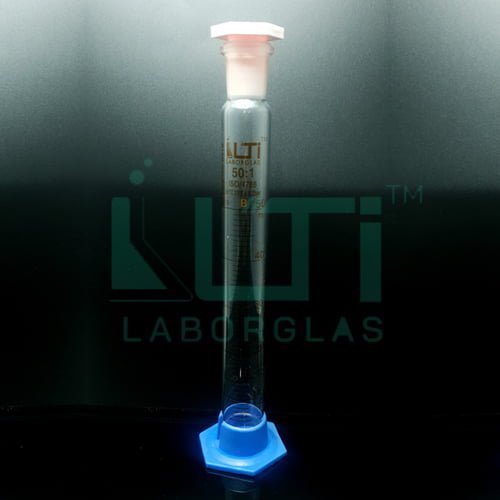

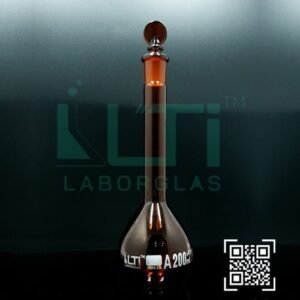
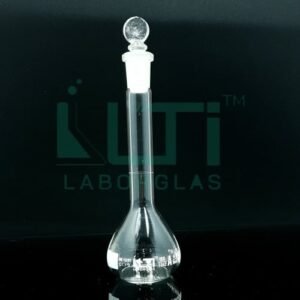
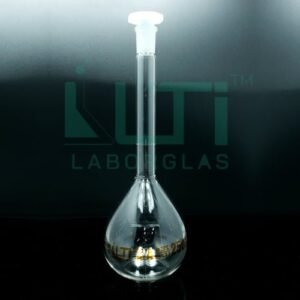
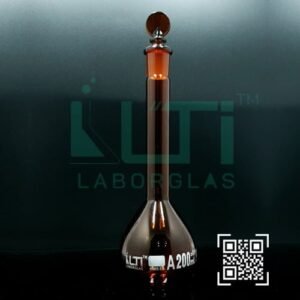
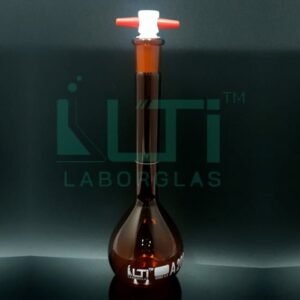
- With PE stopper
| PART No. | Capacity (ml) | SUB DIVISION (ml) | ±Tol.(ml) | Pack QTY. |
| 3910-5 | 5 | 0.1 | 0.1 | 2 |
| 3910-10 | 10 | 0.2 | 0.10 | 2 |
| 3910-25 | 25 | 0.5 | 0.25 | 2 |
| 3910-50 | 50 | 1.0 | 0.50 | 2 |
| 3910-100 | 100 | 1.0 | 0.50 | 2 |
| 3910-250 | 250 | 2.0 | 1.00 | 2 |
| 3910-500 | 500 | 5.0 | 2.50 | 2 |
| 3910-1000 | 1000 | 10.0 | 5.00 | 1 |
Here are some common uses for such a mixing cylinder:
- Routine Laboratory Mixing: Class B mixing cylinders with a plastic hexa base are often used for routine mixing tasks in laboratories where a moderate level of precision is acceptable.
- Educational Purposes: These mixing cylinders are suitable for educational settings, allowing students to learn about basic mixing techniques and liquid handling.
- Sample Preparation: Class B mixing cylinders can be used for general sample preparation tasks where precise measurements are not critical, and a moderate level of accuracy is sufficient.
- Bulk Solution Preparation: When preparing larger quantities of solutions where precise measurements are not essential, Class B mixing cylinders with a plastic hexa base can be used for bulk solution preparation.
- Qualitative Analysis: In qualitative analysis or initial screenings where the exact volume is not crucial, Class B mixing cylinders are suitable for approximations.
- General Liquid Transfers: These mixing cylinders are often used for transferring liquids between containers or vessels where a high level of precision is not required.
- Stability with Plastic Hexa Base: The plastic hexa base design provides stability during mixing, minimizing the risk of accidental spills or tipping over, which is important in applications requiring stability.
- Industrial Applications: In certain industrial processes where a moderate level of precision is sufficient, Class B mixing cylinders with a plastic hexa base may be used for routine mixing tasks or quality checks.
- Environmental Monitoring: Mixing cylinders may find application in environmental laboratories for tasks that do not demand the high precision of Class A instruments, such as basic environmental monitoring.
- Cost-Effective Solution: Class B mixing cylinders are generally more cost-effective than Class A instruments, making them practical for applications where a lower level of accuracy is acceptable.


Reviews
There are no reviews yet.